


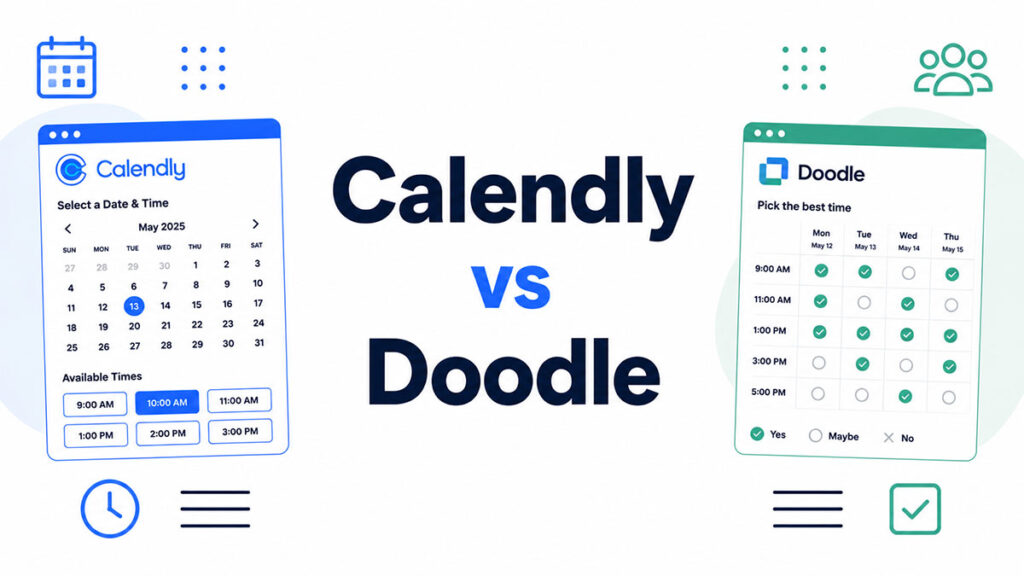
A lot of scheduling tools promise to fix the same thing: the miserable back-and-forth of finding a meeting time. But Calendly and Doodle fix it in opposite directions, and using the wrong one for your situation just replaces one kind of friction with another.
Calendly hands the host full control. You set your available windows, share a link, and whoever needs time with you picks a slot. No emails exchanged, no decisions to make. Doodle does the opposite – the organizer proposes a handful of times, everyone votes, and the best overlap wins. Someone still has to confirm manually at the end.
Below is a breakdown of how each platform actually works, where each runs out of road, and how their costs stack up when you’re buying for a team.
What Are Calendly and Doodle?
Calendly launched in 2013 in Atlanta and built its name on automated 1:1 booking. Connect your calendar, share the link, and meetings get confirmed without any human in the loop. It now has over 20 million users (Calendly, 2024) and holds a 26.56% market share in the scheduling category, which makes it the most widely used tool of its type (Statista / T3 Technology Hub, 2024).
Doodle has been around since 2007, started in Zurich, and has always been a group tool. Its core mechanic – propose slots, collect votes, pick a winner – hasn’t changed much in nearly two decades. It serves over 30 million users globally and handles around 54 bookings per minute (Doodle, 2024). About 30% of its reviews come from companies with over 1,000 employees, compared to just 10% for Calendly (Paperform, 2024).
Both reduce the common scheduling mistakes that pile up in email chains. The difference is who has authority over the final time. Calendly gives it to the host. Doodle distributes it across the group.
| Feature | Calendly | Doodle |
|---|---|---|
| Founded | 2013, Atlanta, GA | 2007, Zurich, Switzerland |
| Primary use case | Automated 1:1 booking | Group availability polling |
| Confirmation method | Automatic | Manual by organizer |
| User base | 20M+ users · 2024 |
30M+ users · 2024 |
The Core Difference Between Calendly and Doodle
The appointment scheduling software market was valued at approximately $470 million in 2024 and is projected to grow significantly through 2033 (SkyQuest, 2025). Both tools sit squarely in that market but serve different slices of it.
Calendly is one-directional. You define when you’re available, and the person booking from you works within those rules. There’s no negotiation built in because none is needed – the host already decided what’s on offer.
Doodle works the other way. Nobody sets rules unilaterally. The organizer floats some options, the attendees weigh in, and the slot with the most overlap wins. That consensus approach is genuinely useful when you’re scheduling something where five people have equal standing – a cross-functional planning session, an external partner call, a community event.
Calendly users skew heavily toward solo professionals and small businesses (roughly 60% of its user base), while Doodle is disproportionately popular in larger organizations where no single person owns the group’s calendar (Paperform, 2024).
Framed simply: if you control the meeting, Calendly. If nobody does, Doodle.
How Calendly Works
The setup takes about 5 to 10 minutes. Connect a calendar (Google Calendar, Outlook, Office 365, or iCloud), define your available hours, and paste your booking link wherever you want it – email signature, website, LinkedIn, wherever. Calendly checks up to 6 calendars simultaneously for conflicts, so double-bookings across work and personal schedules don’t happen.
Event Types and Scheduling Options
There are four event types worth knowing. Standard 1:1 bookings are the default and cover most use cases. Round robin routes incoming meetings to whichever team member is available, which is useful for sales and support teams where the specific rep doesn’t matter as much as response speed. Collective events put multiple hosts on one booking link – common for interview panels. Group events let multiple invitees book the same single slot, which works for webinars or intake sessions.
Buffer time between meetings, minimum scheduling notice, and daily meeting caps are all configurable, though only on paid plans.
Integrations
Calendly connects natively with Zoom, Microsoft Teams, Google Meet, Salesforce, HubSpot, Zapier, Stripe, PayPal, and Slack, among others. Over 100 platforms total (SignHouse, 2024). That depth is a big part of why it dominates in sales and recruiting teams where B2B appointment setting needs to connect directly into CRM workflows.
Calendly Pricing Plans
| Plan | Price | Key Limit |
|---|---|---|
| Free | $0 | 1 active event type |
| Standard | $10 /seat /mo |
Unlimited event types |
| Teams | $16 /seat /mo |
Round robin, routing, reporting |
| Enterprise | Custom | SSO, SCIM, advanced security |
The free tier allows unlimited bookings but restricts you to one active event type. That’s manageable for freelancers with a single service, but any team that needs multiple booking pages running at once will hit that ceiling fast.
How Doodle Works
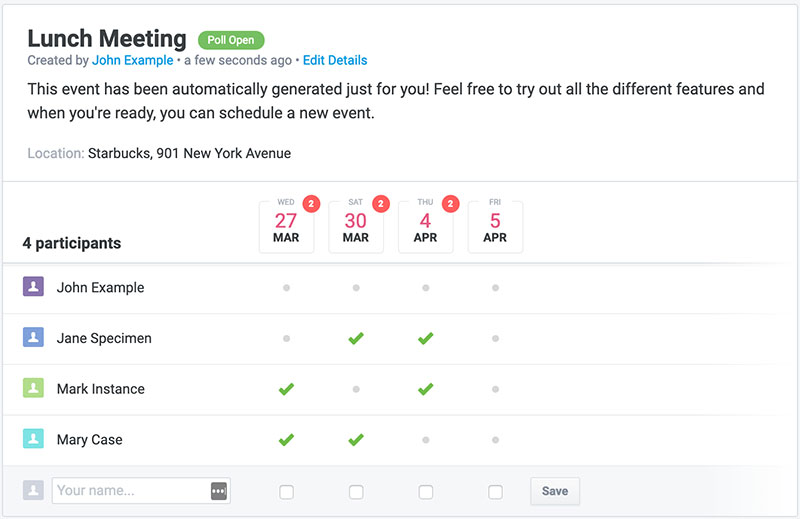
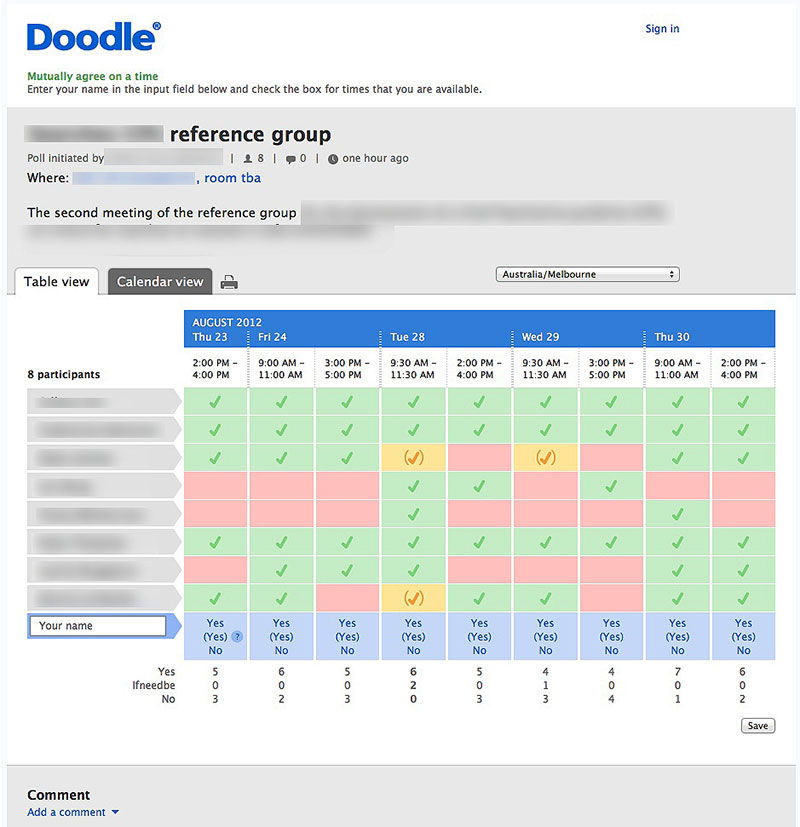
Doodle started as a stripped-down polling tool in 2007 and has added more features over the years. The group poll is still the center of everything: create a poll with proposed time slots, share the link, collect votes, and pick the winner manually.
Core Scheduling Features
Creating a group poll takes under three minutes. The process is:
- Create a poll with multiple proposed time slots
- Share the link with participants (no account required to vote)
- Participants respond with “yes,” “no,” or “if need be” (paid plans only for the “if need be” option)
- Organizer reviews availability overlap and confirms manually
That last step is the one Calendly skips entirely. With Doodle, a human always makes the final call after reviewing the results. For occasional meetings that’s fine. At high volume it’s a real overhead.
Doodle also has a 1:1 Booking Page feature – similar in concept to Calendly’s core product – but it doesn’t support buffer times, daily limits, or routing logic. Simple cases it handles reasonably well.
Doodle Pricing Plans
| Plan | Price | Key Note |
|---|---|---|
| Free | $0 | Ads shown to all participants |
| Pro | $6.95 /user /mo annual |
No ads, unlimited booking pages, “if need be” voting |
| Team | $8.95 /user /mo annual |
Admin console, team reporting |
| Enterprise | Custom | SSO, custom branding, GDPR DPA |
Doodle runs cheaper per seat than Calendly at every comparable tier. At 10+ users that gap becomes a real factor, which partly explains why larger organizations tend to land on it.
Integrations
Doodle connects with Google Calendar, Microsoft Outlook, Office 365, iCal, Zoom, and Microsoft Teams. Participants can overlay their own calendar commitments while voting, which helps avoid the situation where a confirmed meeting lands on someone’s already-busy day.
What it doesn’t have: Salesforce, HubSpot, Zapier, PayPal, or any CRM connection. If your meeting scheduling workflow needs to push data into a sales pipeline automatically, Doodle isn’t going to get you there.
Automated Booking vs. Consensus Scheduling
Workers spend an average of 3.0 hours per week just on meeting coordination – finding times, sending invites, rescheduling when things fall through (Arcade.dev, 2024). Both tools cut that number, but the mechanism is different.
Calendly: Structured, Automated Booking
Calendly works best when one person controls the available times. The host sets the rules; the invitee picks from what’s on offer. Nothing gets negotiated. That works well for client-facing sales and demo calls, recruiting and interview scheduling, consultant and coaching workflows, and any situation where the host needs to protect focus time without managing a calendar conversation.
86% of Fortune 500 companies use Calendly for some part of their scheduling (Contrary Research, 2024). That adoption reflects how well it fits structured, high-volume booking environments.
Doodle: Consensus-Based Group Coordination
Doodle makes more sense when nobody owns the schedule outright. The organizer doesn’t have more pull over the final time than anyone else in the group – they’re just the one who sent the poll.
It fits cross-functional team meetings with five or more attendees, external partner calls where you can’t assume calendar access, and academic or community event scheduling where there’s no central authority. Project managers coordinating across departments are a natural fit here, since no single person owns the final call on timing.
Calendly removes decision-making from scheduling. Doodle facilitates it. That distinction sounds small but it determines which tool actually belongs in your workflow. G2 data puts Calendly at 4.7 stars from over 2,600 reviews and Doodle at 4.4 stars from around 200 reviews – users are broadly satisfied with both; the divergence is about fit, not quality (G2, 2025).
Team Features
Over 68% of global organizations now use automated scheduling platforms (Market Reports World, 2024). For teams, Calendly and Doodle take notably different approaches.
Calendly for Teams
Round robin routing is the feature that separates Calendly from most competitors in this category. New bookings get automatically assigned to whichever team member is available, or distributed evenly across the group. Sales teams use it so leads never sit unattended because one rep’s calendar is full. Doodle has nothing equivalent to this.
The Teams plan also includes collective events (multiple hosts, one booking link – useful for interview panels), Managed Workflows so admins can push reminder templates to the whole team, routing forms that qualify and sort leads before they book, and an analytics dashboard tracking meeting volume and scheduling patterns.
Doodle for Teams
The Team plan adds an admin console with reporting on how often team members are holding meetings. Up to 5 co-hosts can be attached to a Doodle Booking Page. Reporting covers team-wide booking data but stops well short of lead routing, CRM sync, or the workflow automation Calendly offers.
For internal coordination across a distributed team where nobody owns the calendar, Doodle’s group poll approach is genuinely faster. For customer-facing scheduling or employee scheduling that needs to scale with real automation, Calendly has the more complete setup.
Ease of Use
Automated scheduling tools reduce administrative scheduling time by up to 87%, accounting for over 4.5 billion productive work hours reclaimed annually worldwide (Market Reports World, 2024). None of that happens if people find the tool awkward and stop using it.
Calendly Setup and Daily Use
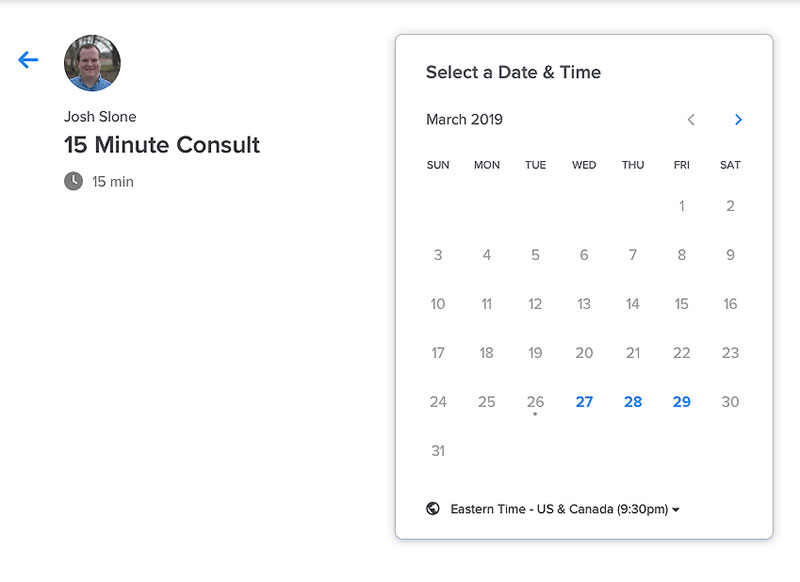
You need to connect at least one calendar before the first booking link works, which takes 5 to 10 minutes. Creating a basic event type after that is fast. Round robin and collective events have more configuration to them and take longer to get right the first time.
Calendly’s free plan shows no ads. The invitee experience is clean at every tier. Browser extensions for Chrome, Firefox, Safari, and Edge let you paste available times directly into Gmail or Outlook, so invitees can book without leaving their inbox. Doodle only offers an Outlook add-in.
Doodle Setup and Daily Use
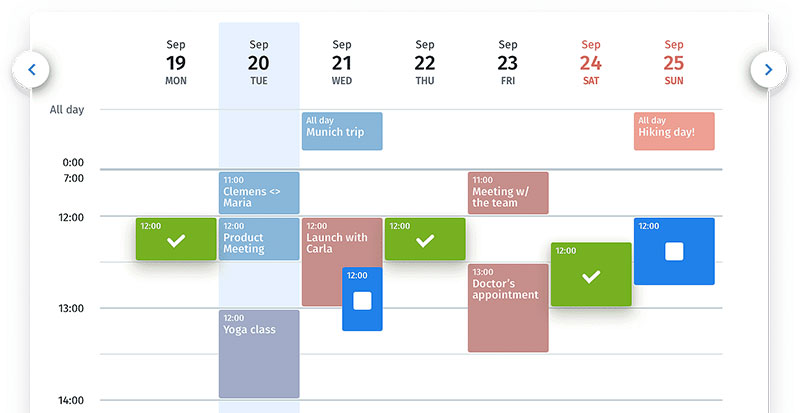
Creating a group poll takes under three minutes. No account is required for participants to vote, which matters when you’re coordinating with external people who aren’t going to create a new account just to respond to a meeting request.
The free plan shows third-party ads to every poll participant, including external guests who never signed up for anything. That’s a real problem for professional client-facing use – a consultant sending a poll to six senior stakeholders at a client company probably doesn’t want ads showing up in that experience. The Pro plan removes them.
Doodle has added buffer time, minimum notice periods, and daily booking limits to its 1:1 Booking Page in recent updates. It’s still behind Calendly’s depth on those controls, though the gap is smaller than it was two years ago.
Mobile and Browser Access
| Access Method | Calendly | Doodle |
|---|---|---|
| iOS app | Yes | Yes |
| Android app | Yes | Yes |
| Chrome extension | Yes | No |
| Firefox extension | Yes | No |
| Outlook add-in | Yes | Yes |
Calendly’s mobile app has been downloaded over 1.1 million times, with the Android version alone reaching approximately 550,000 downloads from Google Play (SignHouse, 2024). For teams scheduling across multiple devices and contexts, that broader browser and mobile coverage is a practical advantage.
Automation and Workflow Features
Multi-step reminder sequences reduce no-show rates by up to 38% when tied to a scheduling platform (ProspyrMed, 2024). On this dimension the two tools are not close.
Calendly Workflows
Calendly sends automated email and SMS reminders before meetings, post-meeting follow-ups, and thank-you messages after bookings. A well-timed appointment confirmation text right after booking is one of the simplest ways to cut no-shows, and Calendly handles that automatically. Redirect URLs let you send invitees to a confirmation page or resource immediately after they book. Managed Workflows lets admins push reminder templates to the whole team at once rather than having each person configure their own.
On the CRM side, Calendly pushes booking data directly into HubSpot and Salesforce without needing a Zapier workaround – it creates a contact record, activity entry, and meeting log before the call even happens (Formzz, 2026).
Cleveland Clinic used automated text reminders to cut no-show rates by 20% and improve patient satisfaction scores, which shows how this kind of automation translates to real outcomes when it’s baked into the scheduling platform.
Doodle’s Automation Limits
Doodle sends one automated notification: a confirmation email when a meeting is confirmed from a group poll. No SMS reminders. No follow-up sequences. No CRM push. It connects to Zapier, which opens some custom automation possibilities, but that requires building and maintaining Zap configurations that Calendly handles natively.
For teams tracking pipeline conversion, interview completion rates, or client meeting outcomes, that gap creates real manual overhead. Someone still has to update the CRM after each confirmed Doodle meeting. Teams dealing with a lot of cancelled appointments and no-shows will feel that gap the most.
Payment Collection
Calendly takes payments through Stripe, PayPal, and Stax Payments at booking time on all paid plans, including via website embed so visitors can pay and book from a business’s own site. Doodle supports Stripe only and offers no website embed for booking pages.
For service businesses running paid consultations, the ability to collect payment at the point of booking often determines which tool gets picked. Calendly’s multi-processor support and embed option covers more scenarios.
Privacy and Data Security
Data privacy regulations now cover 71% of countries worldwide (Calendly, 2024). For any tool handling calendar data, email addresses, and meeting details at scale, compliance details matter.
Calendly Security
Calendly holds both ISO 27001 and SOC 2 Type 2 certification (Calendly, 2024). It’s PCI-compliant for payment processing and GDPR-compliant with a Data Processing Addendum built into its Terms of Use. Enterprise plan features include SAML SSO and SCIM provisioning, role-based permissions and audit logs, GDPR and CCPA data deletion controls, and communication archiving for SEC compliance.
One thing worth checking: Calendly processes data on US-based servers. European businesses in regulated industries should review the Standard Contractual Clauses arrangement before assuming full data residency compliance (Zeeg, 2025).
Doodle Security
Doodle is SOC 2 Type II certified, GDPR-compliant, and runs on AWS infrastructure in the Republic of Ireland – giving it an EU-region data residency advantage over Calendly for European teams (lunacal.ai, 2024). All data in transit is protected by SSL encryption, which is standard across both platforms.
Doodle is not HIPAA-compliant. Healthcare providers scheduling patient appointments can’t use it for that purpose without additional controls.
Also worth noting: Doodle’s free plan exposes participant data to its ad network. For organizations where invitees include clients, patients, or external partners, that’s a relevant consideration.
Side-by-Side Compliance
| Certification / Compliance | Calendly | Doodle |
|---|---|---|
| SOC 2 Type 2 | Yes | Yes |
| ISO 27001 | Yes | Not publicly listed |
| GDPR | Yes US-based servers | Yes EU-based servers |
| HIPAA | Not standard | No |
| SSO / SCIM | Enterprise plan | Enterprise plan |
For most businesses, both tools clear the standard bar. The differences show up at the edges: EU data residency requirements, HIPAA-adjacent healthcare workflows, and whether free-plan ad tracking is acceptable for your invitee audience.
Calendly Limitations
Calendly is the stronger tool for most professional scheduling workflows, but it has real gaps worth knowing about before committing to a paid plan.
Where It Falls Short
Calendly has a Meeting Polls feature for group scheduling, but participants can only respond “yes” or “no” to proposed times. Doodle allows a third option (“if need be”) on paid plans, which surfaces more nuanced availability data across larger groups – a meaningful difference when you’re coordinating six or more people.
The free plan is capped at 1 active event type. Freelancers with a single service can live with that. Any team managing multiple booking pages will hit that limit immediately.
Pricing scales per seat. At 10+ users on the Teams plan ($16/seat/month), costs grow faster than Doodle’s flat-rate Team plan. For small businesses comparing scheduling tools, that per-seat model is the most common reason Calendly gets ruled out at the team level.
White-label customization and custom booking page domains are locked to the Enterprise plan. Standard and Teams plans show Calendly branding throughout the booking experience.
One more practical note: Calendly discontinued new iCloud Calendar connections as of August 2024. Existing users keep the integration, but new accounts can’t connect iCloud. For anyone working primarily in Apple’s ecosystem, that removes an option that used to be available.
Doodle Limitations
Doodle’s simplicity is the main reason people like it. It’s also the source of its most significant gaps.
Where It Falls Short
Every group poll ends with a manual step. After votes come in, a human reviews the results, picks a time, and sends the confirmation. There’s no automatic confirmation, no calendar invite redirect, no automated follow-up. For occasional group meetings that’s a minor inconvenience. For teams running dozens of polls per week, it adds up.
Doodle’s 1:1 Booking Page is still underdeveloped compared to Calendly: no round robin routing, no routing forms or lead qualification, no website embed, no payment options beyond Stripe, and no post-meeting workflow automation. Teams that need group scheduling apps that can also handle professional one-on-one bookings often end up pairing Doodle with a second tool to fill that gap.
No booking analytics or reporting exist outside the Team plan’s admin console. Solo users and Pro subscribers get no data on booking patterns or scheduling trends.
The Free Plan Problem
Doodle’s free plan shows third-party ads to every poll participant, including external guests who never created a Doodle account. That’s the most aggressive ad-supported free tier in the scheduling category (Workflow Automation, 2026). Sending a group poll to senior stakeholders at a client company and having ads show up in their experience is a real credibility problem. The Pro plan at $6.95/user/month (billed annually) removes ads, but it means the “free” tier is effectively unusable for anything client-facing.
Which One Should You Use?
The appointment scheduling software market was valued at approximately $470 million in 2024 and is projected to nearly double by 2032 (Verified Market Research, 2025). Both tools are well-positioned for that growth, but they serve different parts of it.
Calendly Works Best When…
You control the schedule and need booking to happen without your involvement. That covers sales teams booking demos and discovery calls, recruiters running interview panels with round robin routing, consultants and coaches with paid appointment slots, teams that need Salesforce or HubSpot to update automatically from a booking, and customer-facing teams where the booking page lives on a website.
Calendly’s free plan works for solo users with simple needs. The Standard plan ($10/seat/month) is where it becomes genuinely useful for most professionals.
To learn more about Calendly and compare it with other similar tools, consider checking out Calendly vs. YouCanBook.me, Calendly vs. Acuity, OnceHub vs. Calendly, and Calendly alternatives.
Doodle Works Best When…
No single person owns the schedule and group consensus is the point. That means cross-functional or cross-company meetings with five or more attendees, external coordination where participants won’t create a new account to vote, academic or community scheduling without a central organizer, and teams that already run Calendly for client bookings but occasionally need group polls on the side.
The Pro plan at $6.95/user/month (billed annually) is the minimum viable tier for any professional use. The free plan’s participant-facing ads make it unsuitable for anything client-facing.
The Pricing Decision Point
| Team Size | Calendly Teams Cost/Month | Doodle Team Cost/Month |
|---|---|---|
| 3 users | $48 /mo |
$26.85 /mo |
| 5 users | $80 /mo |
$44.75 /mo |
| 10 users | $160 /mo |
$89.50 /mo |
Doodle’s Team plan costs roughly 44% less than Calendly’s Teams plan at every size. That price gap is the main reason budget-sensitive teams with simple coordination needs pick Doodle even when Calendly’s feature set would technically serve them better.
Using Both
In mid-size companies, it’s not unusual to run both. Calendly handles external client bookings, demos, and sales calls. Doodle handles internal cross-functional meetings where nobody has scheduling authority over the group. That split covers the full range without forcing one tool into a role it wasn’t built for. Well-run teams treat scheduling as a productivity lever, and matching the right tool to each meeting type is how that plays out day to day.
FAQ on Calendly vs Doodle
Is Calendly better than Doodle?
Depends on your use case. Calendly wins for automated one-on-one booking, CRM integration, and sales workflows. Doodle wins for group availability polling where no single person controls the schedule. Neither is universally better.
What is the main difference between Calendly and Doodle?
Calendly confirms meetings automatically the moment someone books. Doodle collects availability votes from multiple participants and requires the organizer to manually confirm a final time after reviewing the results. One removes human decision-making from scheduling entirely. The other structures that decision so a group can reach it together.
Does Doodle have a free plan?
Yes, but it shows third-party ads to every participant including external guests. For professional use, that ad experience creates a real impression problem. The Pro plan at $6.95/month (annual billing) removes ads. If even that cost is a barrier, a free WordPress booking plugin is worth exploring for service businesses that want booking on their own site at no monthly cost.
Does Calendly integrate with Salesforce and HubSpot?
Yes. Calendly pushes booking data directly into Salesforce and HubSpot without needing Zapier – it creates contact records and meeting activities automatically. Doodle has no native CRM integration. Sales teams almost always choose Calendly for this reason.
Can Doodle do round robin scheduling?
No. Round robin routing is a Calendly-only feature between these two tools. It automatically assigns new meetings to available team members based on priority or equal distribution. This is a meaningful gap for customer-facing teams managing inbound meeting volume. For more on managing team-level scheduling at scale, the guide to best employee scheduling apps covers the broader landscape.
Which tool is better for group meetings?
Doodle. Its group poll lets participants respond with “yes,” “no,” or “if need be” (on paid plans) across multiple proposed time slots. Calendly’s Meeting Polls only support yes/no. For coordinating five or more attendees without shared calendar access, Doodle is faster and simpler.
Is Calendly GDPR compliant?
Yes. Calendly is GDPR-compliant with a Data Processing Addendum built into its Terms of Use. However, it processes data on US-based servers. European teams in regulated industries should review the Standard Contractual Clauses arrangement before assuming full data residency compliance.
How does Doodle pricing compare to Calendly?
Doodle is consistently cheaper per seat. Its Team plan runs $8.95/user/month (annual billing) versus Calendly’s $16/seat/month Teams plan. At 10 users, Doodle costs roughly 44% less. Budget-conscious teams with simple group coordination needs often choose Doodle on price alone.
Can I embed a Doodle booking page on my website?
No. Doodle doesn’t offer a website embed option for booking pages. Calendly supports website embeds on all plans, including the free tier. For businesses that need visitors to book directly from their site, Calendly is the only viable choice between the two.
Should I use both Calendly and Doodle?
Many mid-size teams do. Calendly handles external client bookings, demos, and sales calls. Doodle manages internal cross-functional meetings where no single person owns the group calendar. Running both covers the full range of meeting coordination scenarios without compromise. If neither fully fits your needs, comparing the best meeting schedulers more broadly is a good next step.
Conclusion
This conclusion is for an article presenting Calendly vs Doodle as two tools that solve the same problem from completely different angles.
Calendly is built for automated appointment booking. It fits sales teams, recruiters, and consultants who need one-click scheduling, CRM sync, and workflow automation without manual follow-up.
Doodle is built for group consensus. It works when no single person controls the meeting, participants skip account creation, and availability overlap needs to surface across multiple time zones.
Pricing, compliance needs, and team size all influence the final call. Many teams end up using both, each covering a distinct meeting coordination scenario the other tool was never designed to handle.
Match the tool to the meeting type. That is really the whole decision.

Explore topics

Read Inspiring Customer Stories
Check out how our user set Amelia for his business